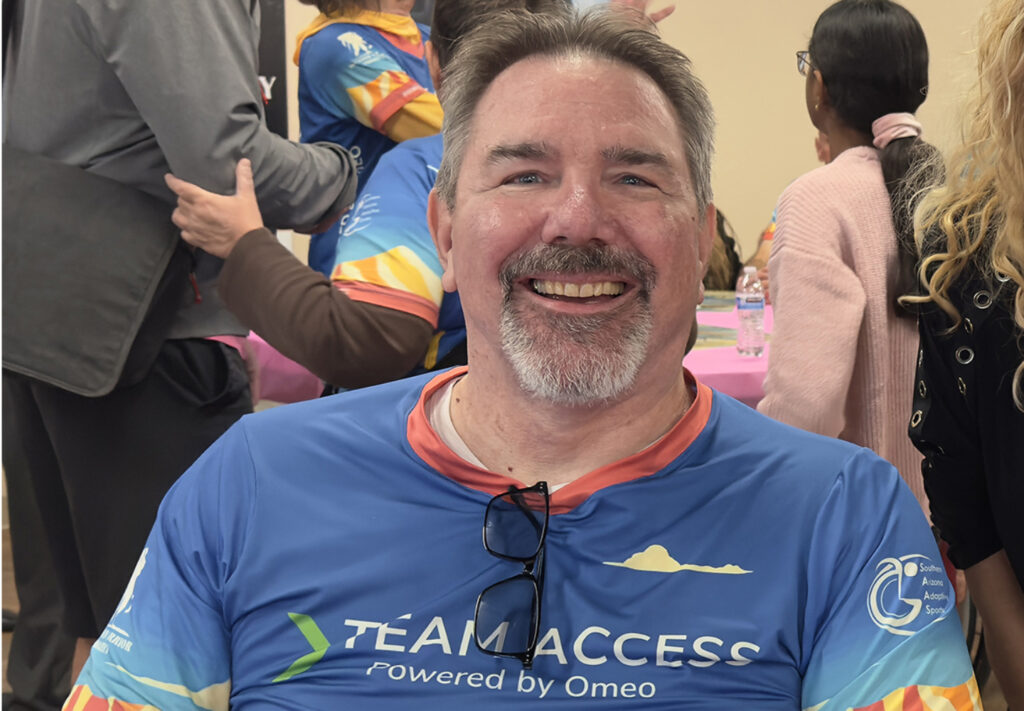
It’s More Than the Miles: Adam Finney’s Team Access Story
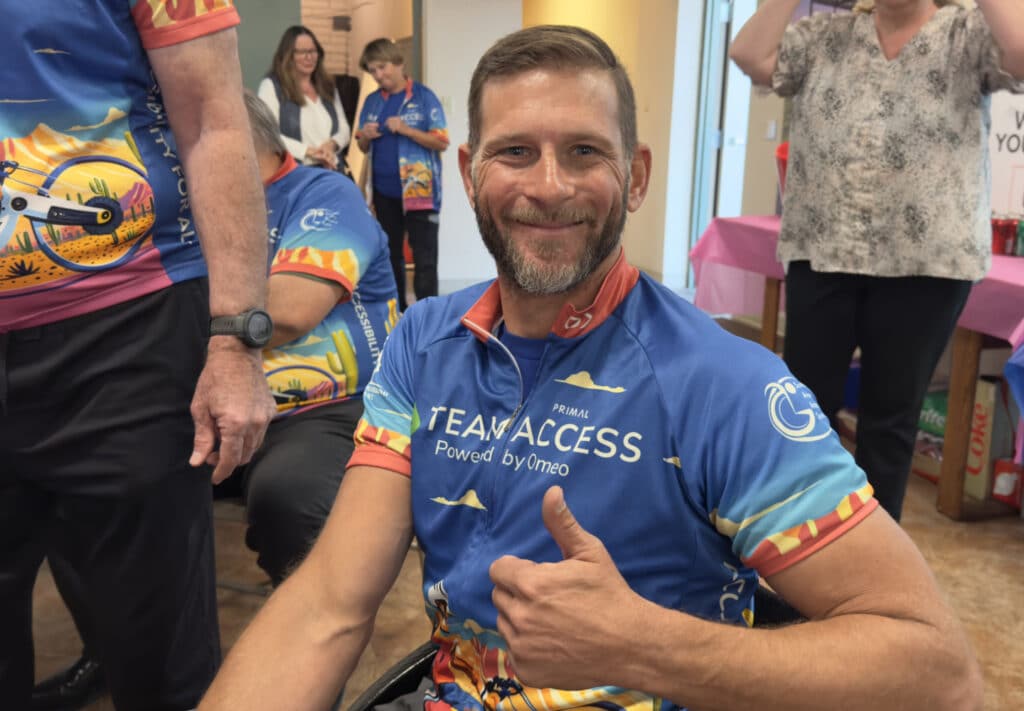
For Adam Finney, cycling isn’t measured in miles; it’s measured in the people beside you.
Adam was just 23 years old when his life changed after a spinal cord injury. Like many wheelchair users, he suddenly found himself navigating a world that looked very different from what it once was. But when he discovered adaptive cycling, he found something he had been missing.
Freedom.
“I like to be on that bike, forget about this world for an hour or two or three, and just feel free again,” Adam says. “On the bike, you feel like you’re normal.”
That feeling keeps him coming back, but it’s no longer the biggest reason he rides.
For Adam, cycling is about the community.
“I think one of the great things for us is the sense of community,” he says. “It’s not really about the distance or the time you’re doing out here. It’s about the people. It’s about belonging to something.”
For Adam, adaptive cycling is about much more than recreation. It creates opportunities for people to stay active, improve their physical and mental health, and build relationships that extend well beyond race day.
“I think we do a lot for the community that we may not even realize.”
One of the things Adam appreciates most about adaptive sports is that there’s room for everyone.
Some riders simply want to enjoy a ride around the neighborhood with family and friends. Others spend countless hours training to compete at the highest levels of paracycling. Both belong.
“It’s really about what you want out of it,” he explains. “You can ride recreationally, or you can put the time in and become an elite athlete.”
From the outside, elite adaptive athletes often make the sport look effortless. Adam knows that’s far from reality.
“A lot of people see it and think it’s amazing,” he says. “But they don’t realize how much time and effort goes into making it look that smooth.”
His advice for anyone considering adaptive cycling is simple:
“Just try to get involved in the community. You never know where it’s going to lead you.”
For Adam, that path has led to some of the most meaningful friendships of his life.
“Some of my best friends now, I met through cycling and racing.”
It’s a reminder that the greatest impact of adaptive sports isn’t always found in medals, finish times, or personal records. Sometimes it’s found in the conversations before a ride, the encouragement along the course, and the friendships that continue long after the bikes are put away.
“Find your passion,” Adam says. “I think that’s the best thing we can do to keep our minds healthy, keep our bodies healthy, is just stay active physically and mentally.”
At Team Access, that’s exactly what we’re working to create—a place where every adaptive athlete can find not only a ride, but a community that lasts long after the finish line.
Related News
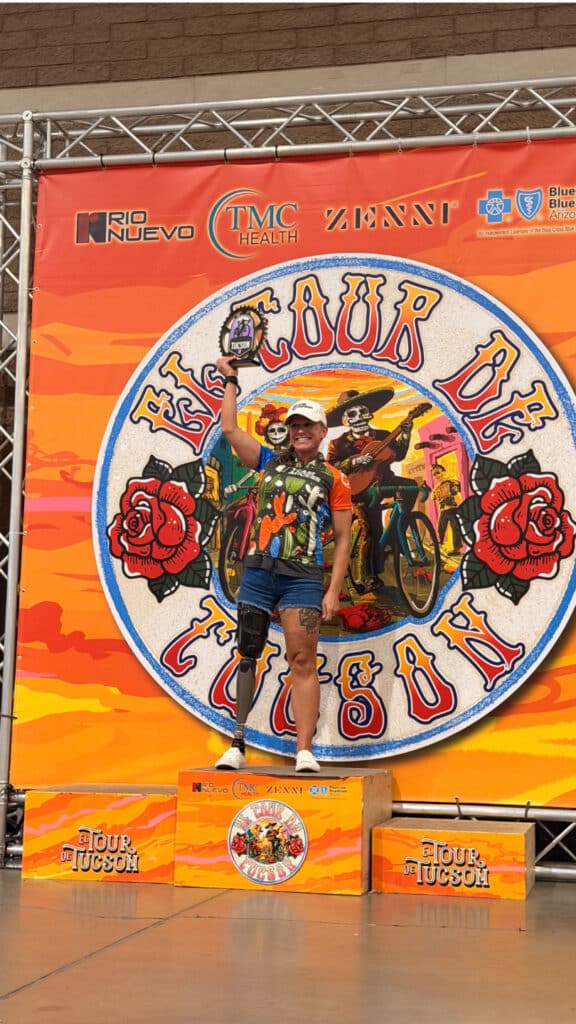
"Once We Get on a Bike, We Are All One and the Same." Tracy LaMarche’s Team Access Story

Billie Holbrook: Still Rolling Strong